
Koňské pólo má v srdci Čech dlouhou a bohatou historii. To, co na konci 19. století začalo jako prestižní zábava šlechty, se postupně proměnilo v symbol kulturní elegance a sportovní vyspělosti. Royal Golf & Polo Club tuto tradici udržuje a nadále zachovává vysoké standardy hry, které definují tento sport již více než sto let.
První turnaj
Ustájených plnokrevníků
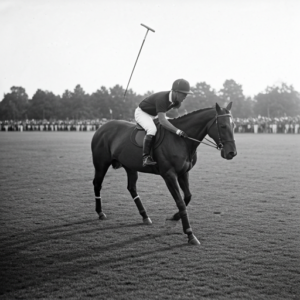
Modern polo developed from older Asian forms of the game and took shape in the 19th century after British officers encountered it in Manipur, India. In 1859, the Silchar Polo Club was founded, and by 1875 the Hurlingham Polo Committee in London had drawn up the first English rules, helping standardize the modern sport.
Polo spread through British networks to England, Ireland, Argentina, Australia, and the United States. In Argentina, the game took root in the late 19th century and eventually became central to the country’s sporting identity. Today, Argentina is widely regarded as the leading nation in elite polo.
Silchar Polo Club founded
First official polo match in Argentina
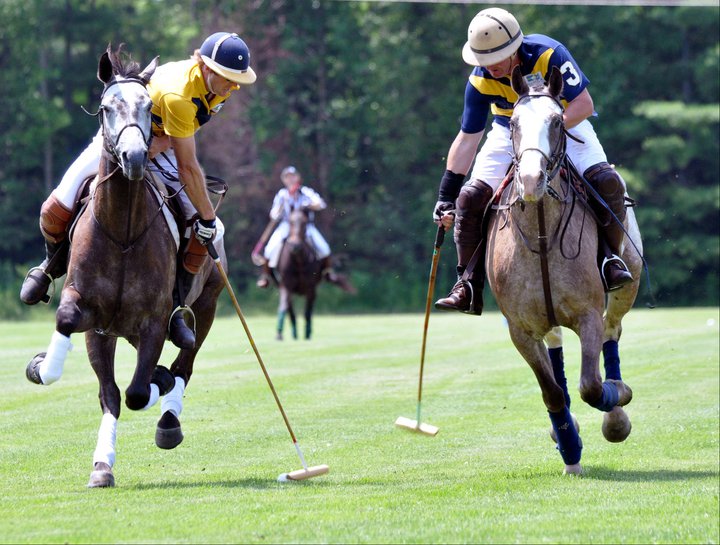
British immigrants helped introduce polo to Argentina in the 19th century, and the country later became the world’s leading force in top-level competition.
Britain did not invent polo, but British clubs and officials played a decisive role in formalizing the modern rules and organizing international play.
Polo’s history is preserved through clubs, trophies, photographs, and equipment held in archives and museums. Collections such as the Museum of Polo and Hall of Fame document the sport’s development through historic cups, mallets, artwork, and memorabilia from the late 19th and early 20th centuries.
Polo museums and club collections preserve major trophies from the sport’s early competitive era.
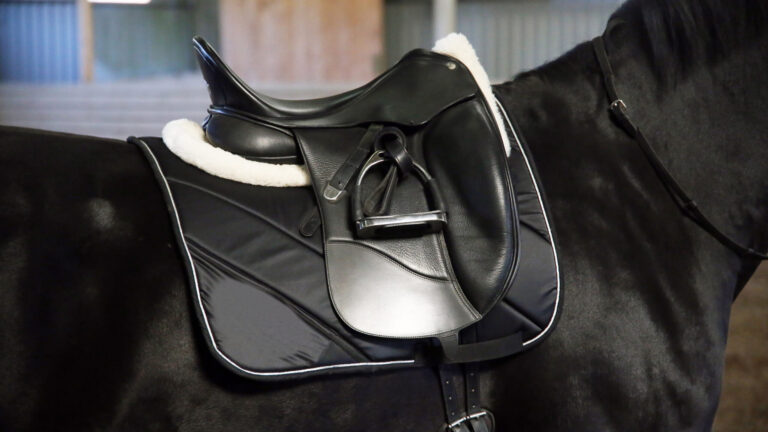
Traditional polo equipment evolved alongside the formal rules of the game as clubs standardized play in the late 19th century.
Horse welfare and rotation are central to the modern sport, with players typically changing mounts between chukkers.
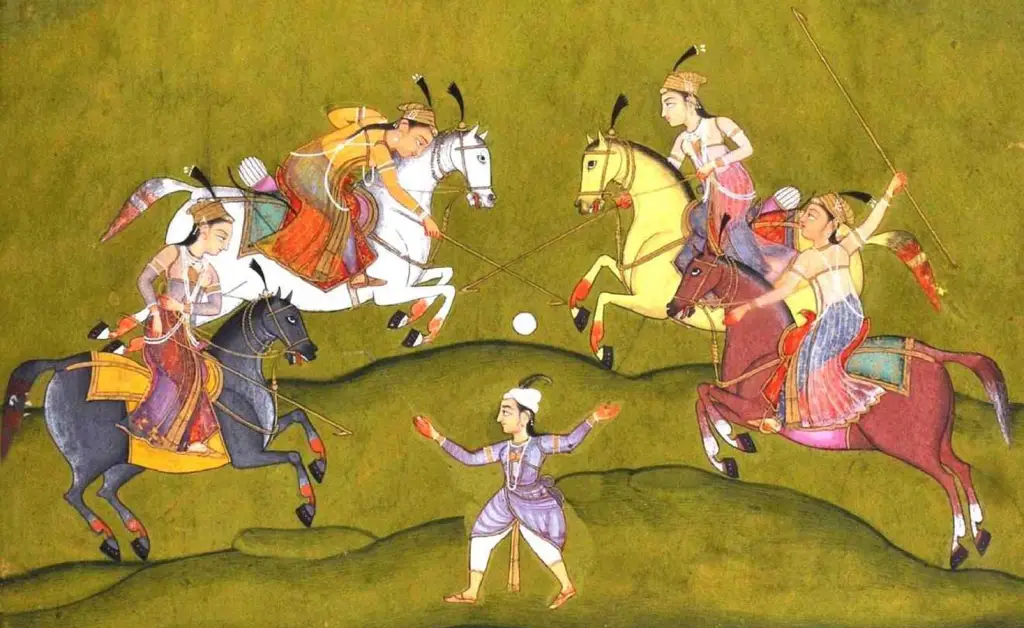
Polo’s long history has produced countless stories from clubs and tournaments around the world. While many of these anecdotes have been passed down through generations, only a portion are preserved in verifiable records, with much of the sport’s folklore remaining part of its informal tradition.
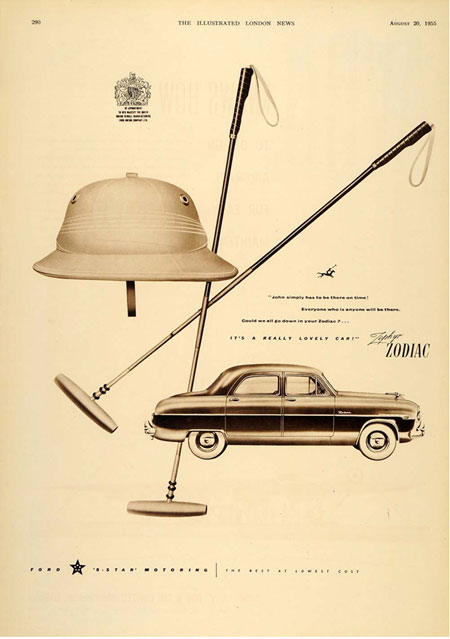
Early polo players wore pith helmets, adapted from British military headgear used in India. These lightweight helmets provided sun protection rather than impact resistance.
By the early 20th century, helmets began to evolve, incorporating stronger internal structures and improved fit. Players often covered them in team or regimental colors, a tradition that continues in modern polo through helmet covers.
Over time, safety became a priority, leading to the development of modern protective helmets designed to withstand high-speed impacts during play.
Letošní turnaj se odehraje ve formátu Pro-Am, kdy každý flight tvoří jeden profesionální hráč zajištěný pořadatelem společně se třemi amatérskými hráči.
Hra probíhá formou Texas Scramble, která přináší rychlé tempo, týmovou spolupráci a atraktivní herní zážitek ideální jak pro soutěž, tak pro networking.